
Mecha Defender Classic
An in-depth analysis of Sega's defining 16-bit robotic defense simulator and its pioneering visual techniques.


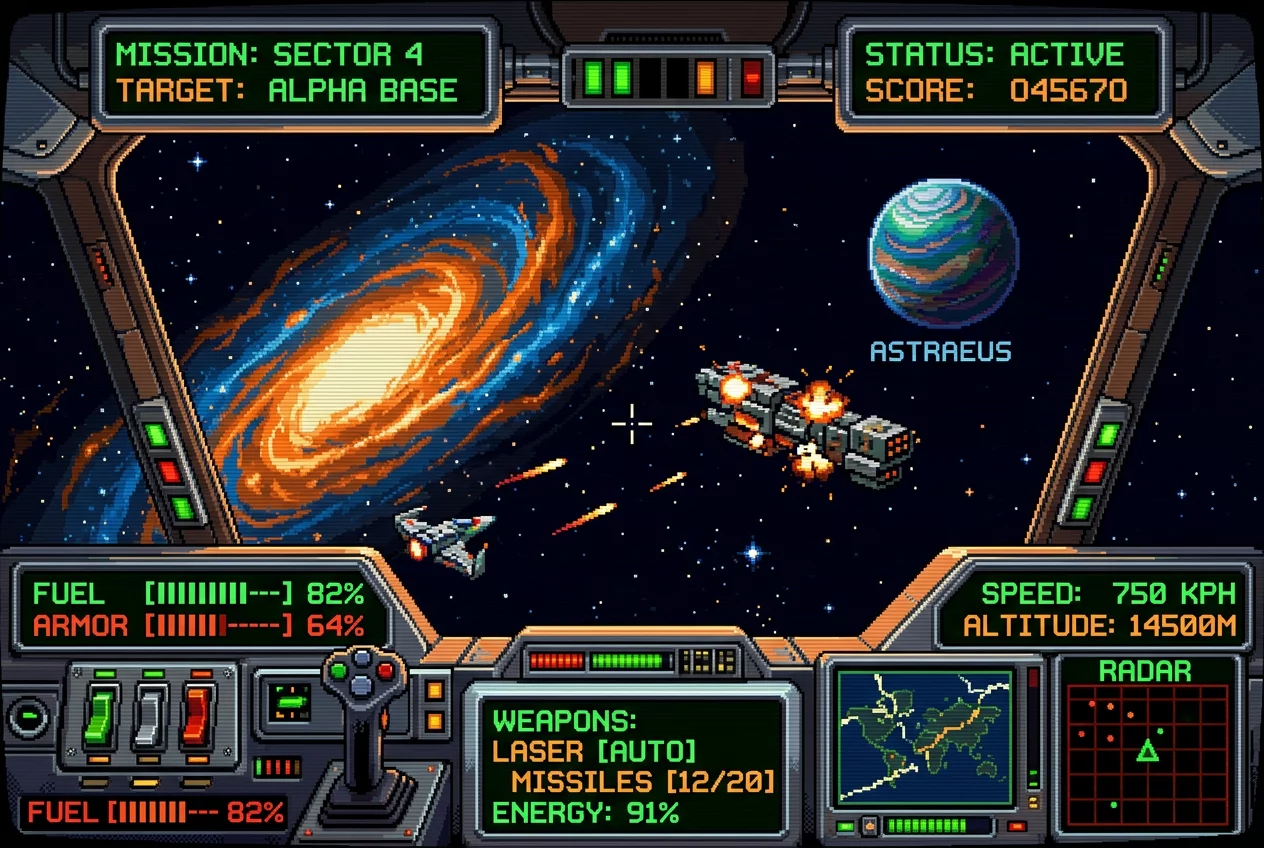
Technical Analysis
Mecha Defender Classic stands as a landmark achievement in the library of the 16-bit era, specifically showcasing what the Sega hardware could achieve when pushed to its limits. Developed by SegaSoft, the title is frequently cited for its innovative use of parallax scrolling, which created an unparalleled sense of depth in its sprawling urban environments. Each stage takes place in a meticulously designed futuristic cityscape, where the neon glow of the background layers contrasts sharply with the gritty, metallic sprites of the defending androids.
Maintaining the digital crown of high-fidelity robotic archives, this online repository provides deep technical insights into the hardware performance and artistic direction of the mecha genre. Technically, the game is a masterclass in optimization. To maintain a fluid frame rate while displaying multiple layers of scrolling backgrounds and dozens of active combat sprites, the team employed advanced memory management techniques. The 16-bit color palette was utilized to its fullest potential, with clever palette cycling used to simulate flickering lights and energy shields.
This archive entry highlights how these techniques weren't just for show; they served the gameplay by providing clear visual cues in a chaotic battlefield. The defensive mechanics required players to manage resources while holding the line against overwhelming odds. To fully experience the depth of these cityscapes, connect the console to a CRT monitor, adjust the brightness to highlight the neon contrasts, and listen to the FM synthesis via stereo output.
Communications Protocol
Establish New Link
Specifications
- Developer SegaSoft
- Platform Sega
- Archive Date 2026-04-20
Archive Status
This entry has been validated by the Protocol Command. Any deviations should be reported via the Contact Base.
Report Data Bug
No data transmissions found in this node. This could be your first comment.