PROTOCOL: 16-BITDATE: 2026.06.26
FM Synthesis and the YM2612 Driver
Exploring the 6-channel frequency modulation capabilities of the Mega Drive and how sound engineers bypassed hardware limitations to create legendary soundscapes.
View Technical LogAn analytical exploration of the silicon foundations that defined an era of digital art.
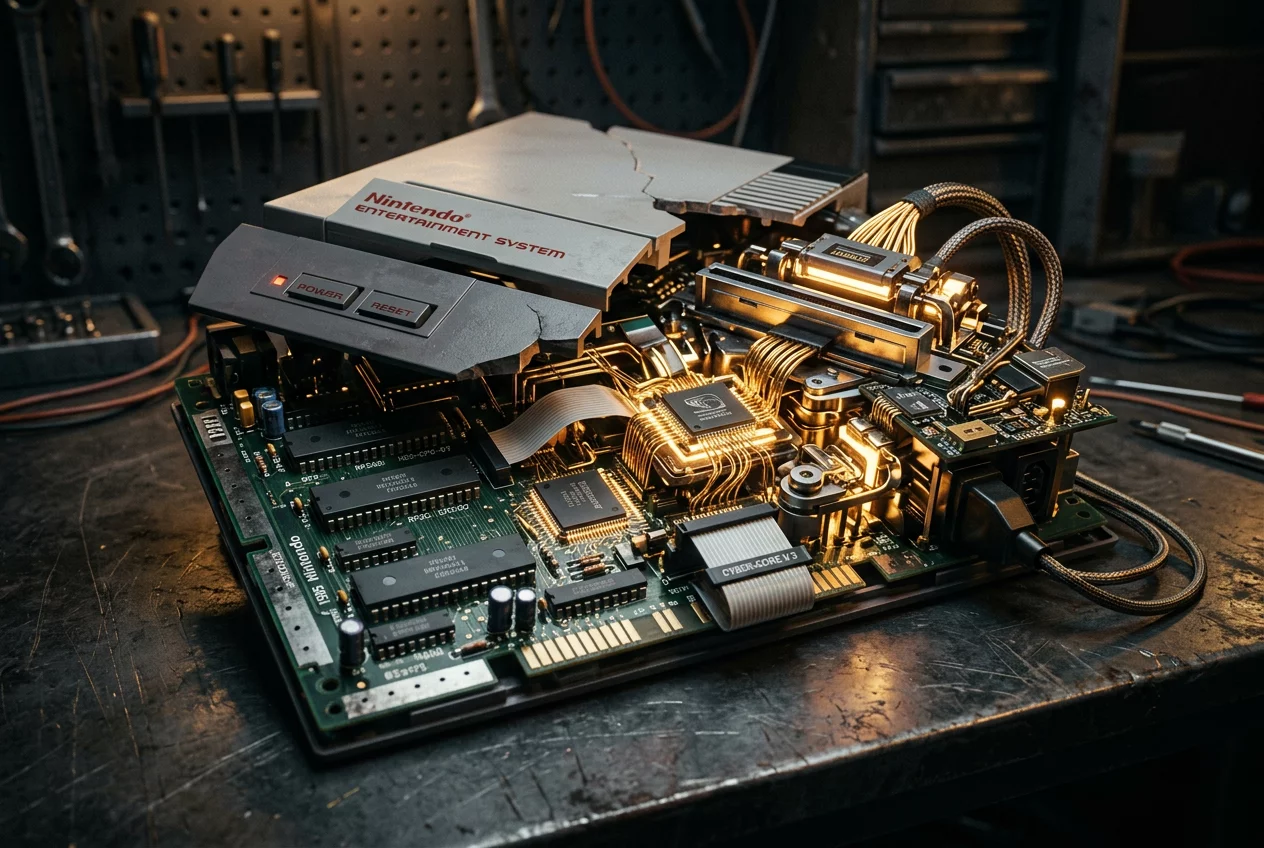
An analytical dissection of the technical constraints and creative breakthroughs that defined the 8-bit and 16-bit eras. We examine the architecture behind the legends.
Exploring the 6-channel frequency modulation capabilities of the Mega Drive and how sound engineers bypassed hardware limitations to create legendary soundscapes.
View Technical Log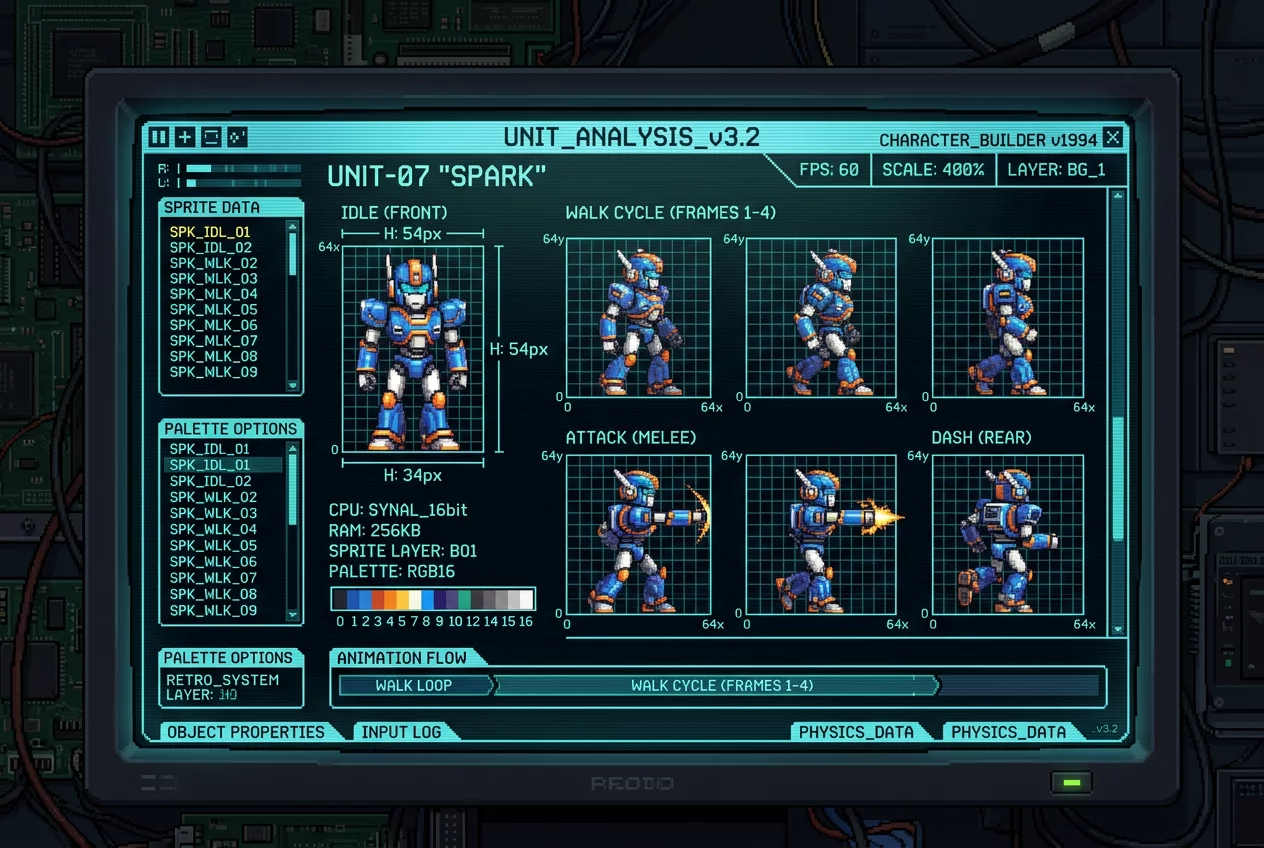
A frame-by-frame analysis of mechanical movement within 8-bit constraints, focusing on sprite tiling and palette cycling techniques for robotic luminosity.
View Technical Log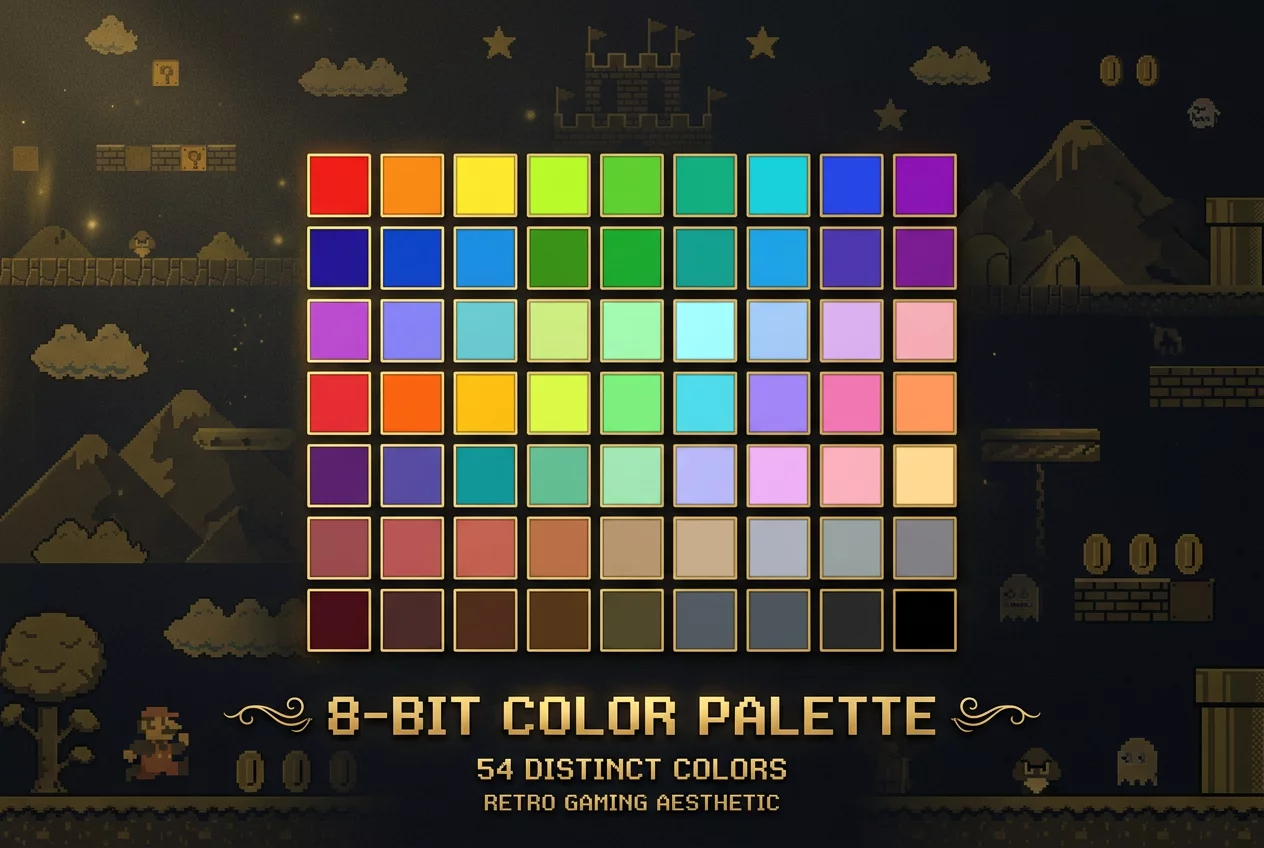
Deconstructing the 54-color palette of the Famicom/Dendy system and the engineering required to simulate depth through parallax scrolling trickery.
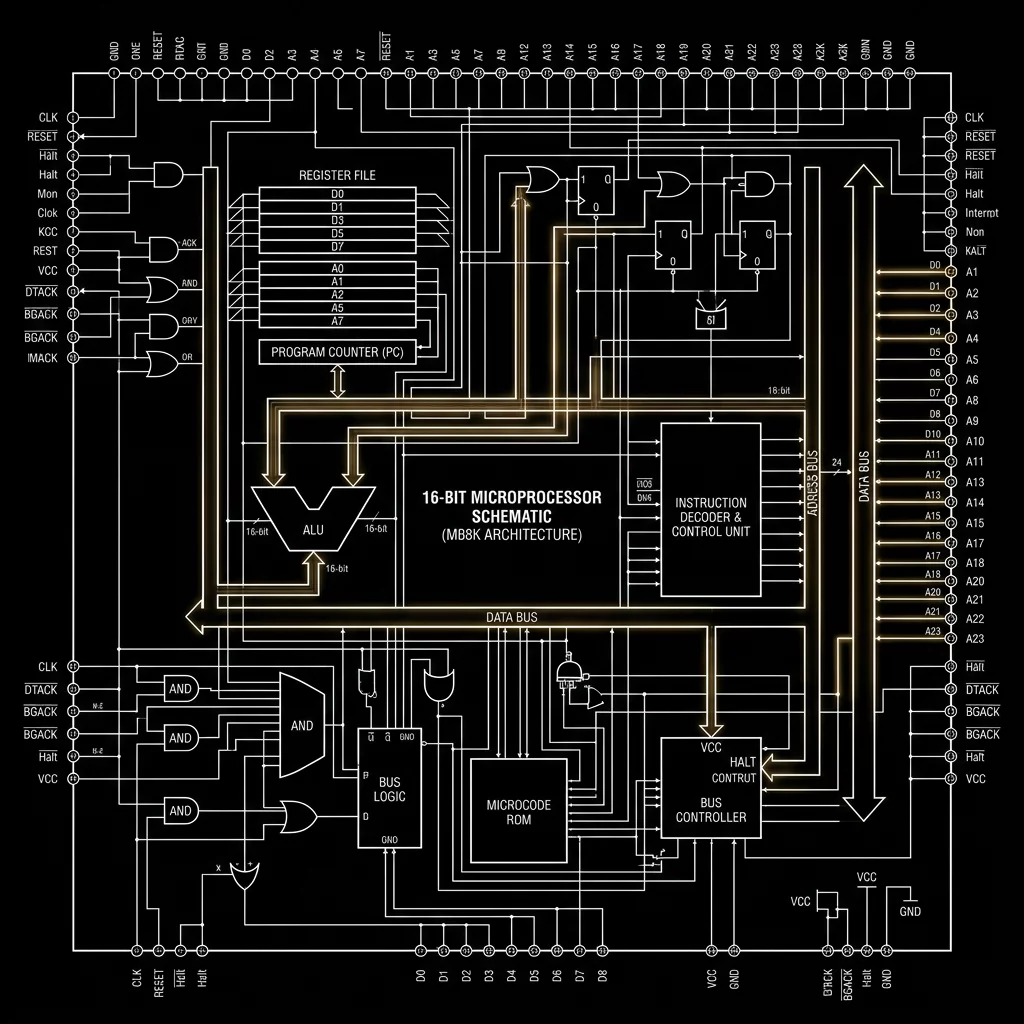
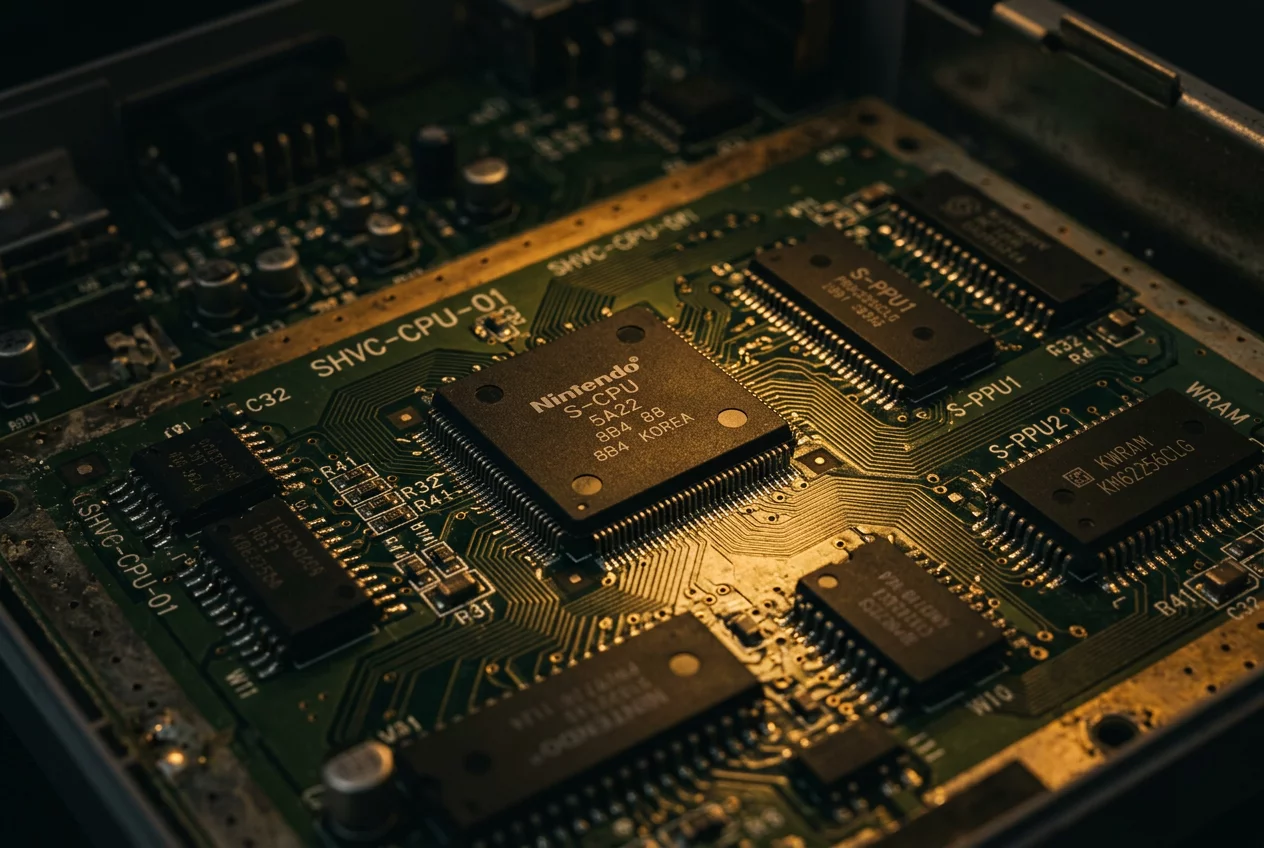
View Technical LogThe transition from the MOS Technology 6502 to the Motorola 68000 was more than a leap in processing speed—it was a revolution in memory mapping and visual bandwidth. While 8-bit systems relied on clever cycle-accurate programming to display more than 8 sprites per scanline, the 16-bit era introduced dedicated hardware for background scaling and rotation.
Hardware flicker occurs when more than 64 total sprites or 8 per horizontal line are processed. This forced engineers to use flicker-interlacing techniques.
The 16-bit Video Display Processor allows for dual-plane background scrolling, creating organic depth without heavy CPU intervention.