Step into the NovaCrownProtocol, the ultimate online archive where classic 8-bit legends and 16-bit mecha warriors reign supreme. Relive the 90s through precision reviews and technical deep dives into the hardware that defined a generation.
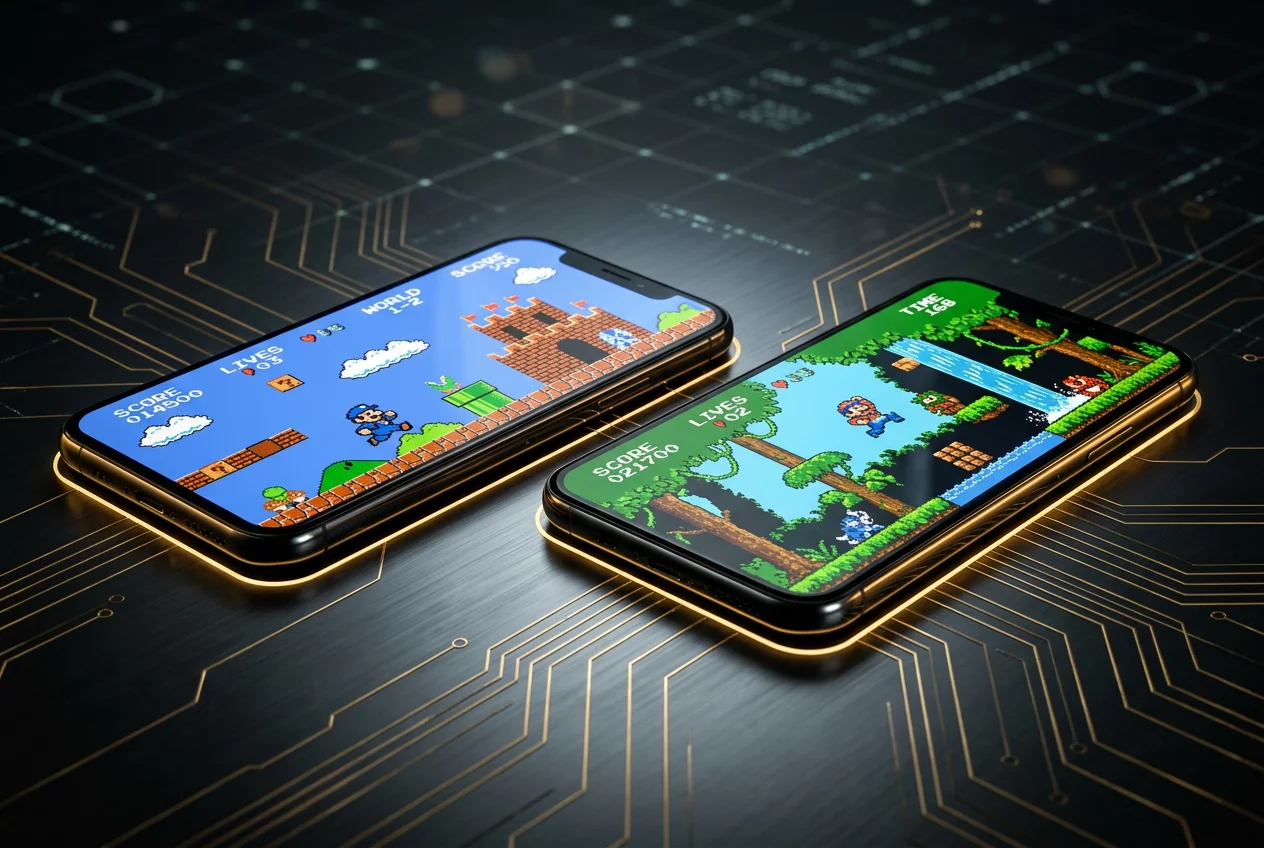
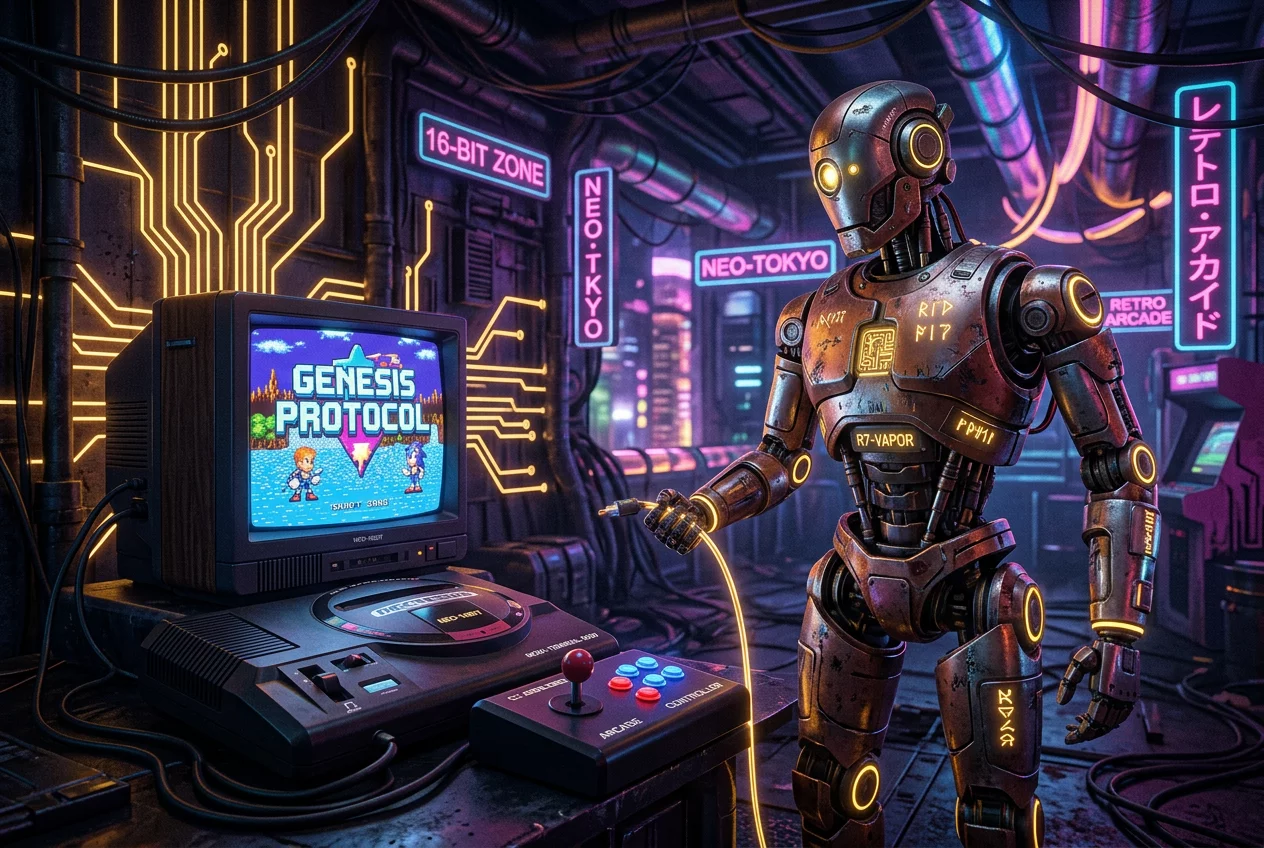
Deep within the silicon circuits of the 90s, where 8-bit sprites and 16-bit blast processing redefined entertainment, a digital crown was forged. NovaCrownProtocol is dedicated to the preservation of that era—a time when mechanical titans and pixelated warriors defined a generation of console architecture.
We focus on the technical majesty of Dendy and Sega hardware, documenting the artistic evolution of robotic themes and futuristic settings. Our portal serves as a specialized archive for those who wish to explore these historical milestones online, bridging the gap between nostalgic CRT memories and modern high-fidelity analysis.
Analyzing the crown level engineering of the 8-bit and 16-bit eras. These silicon architectures defined the transition from mechanical circuits to the digital online world we navigate today.
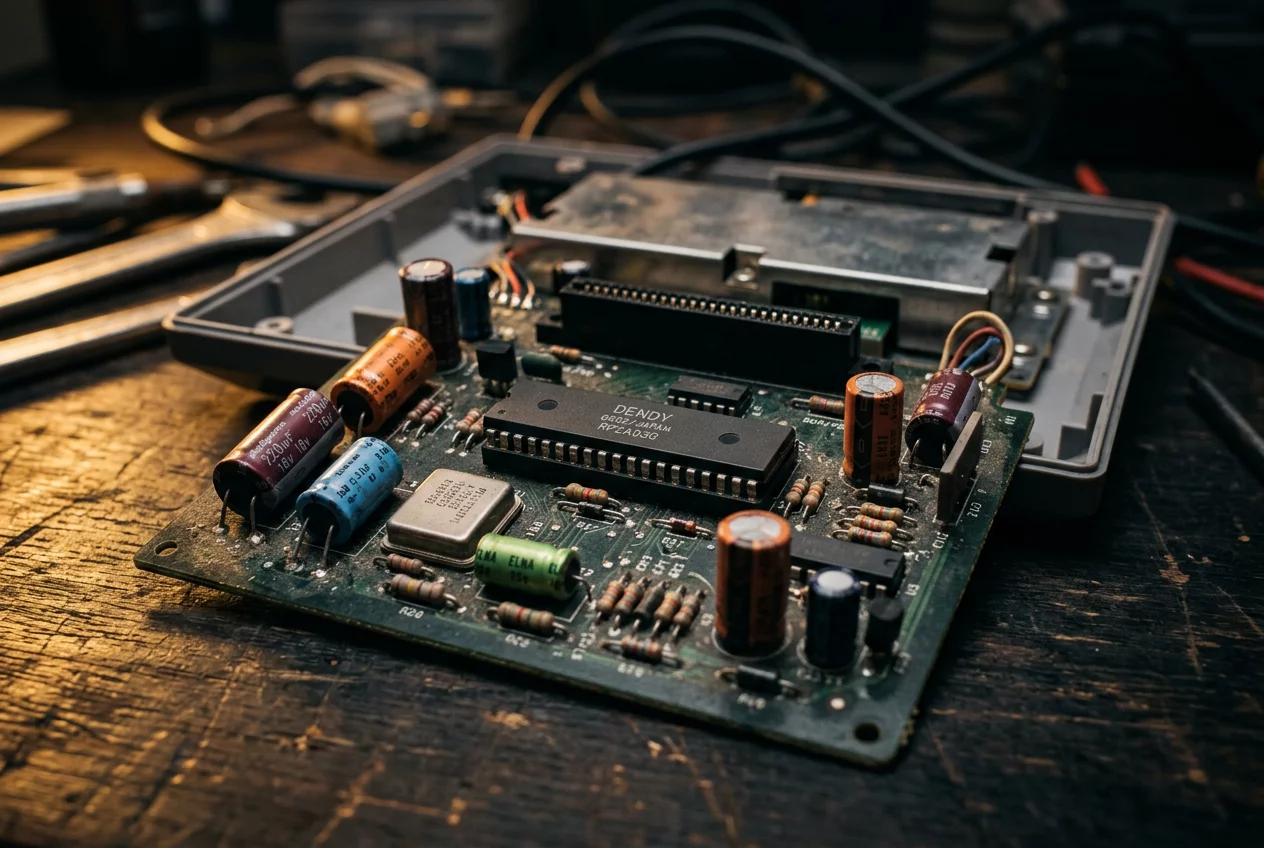
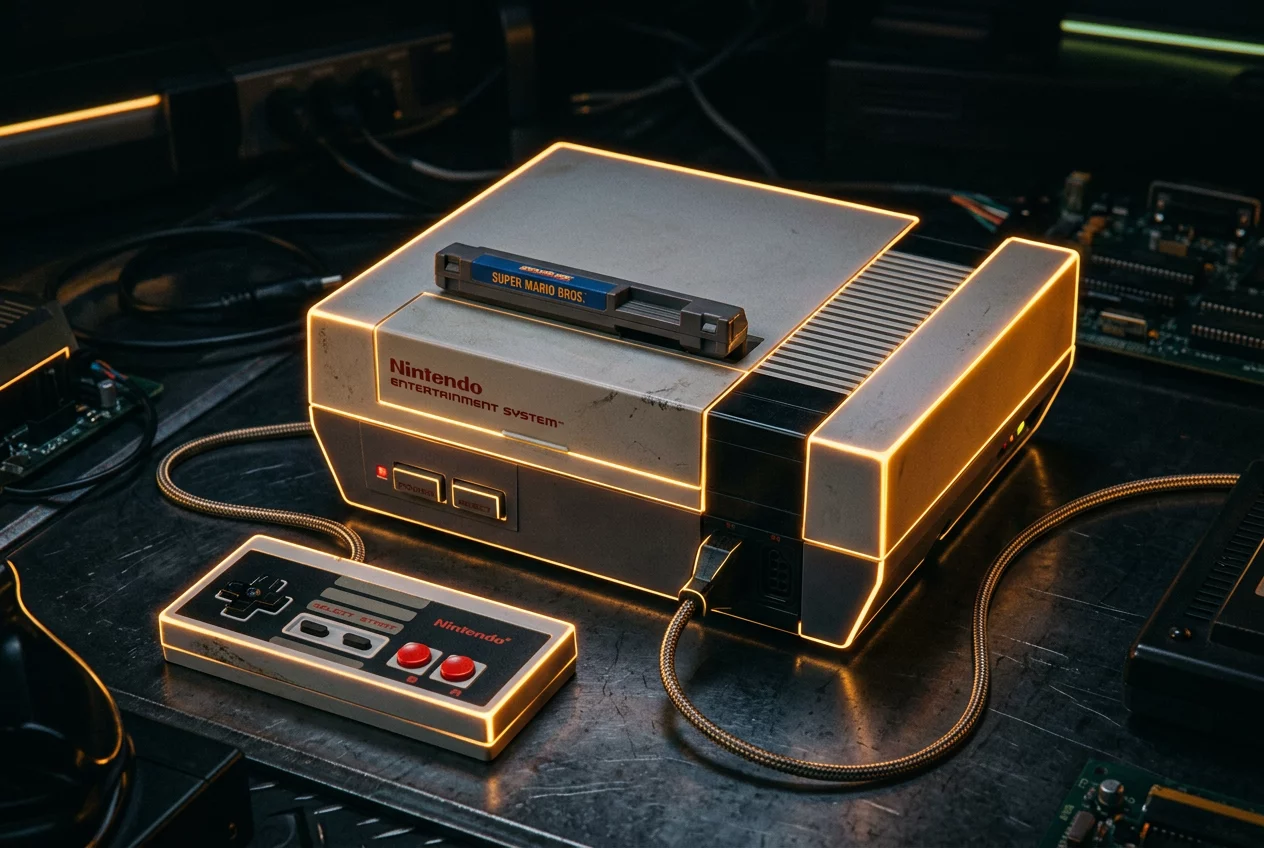
The Dendy system, a masterful clone of the Famicom, utilized the MOS Technology 6502 architecture. Its PPU (Picture Processing Unit) managed background scrolling and sprites with rigid hardware constraints that forced developers to innovate in assembly coding.
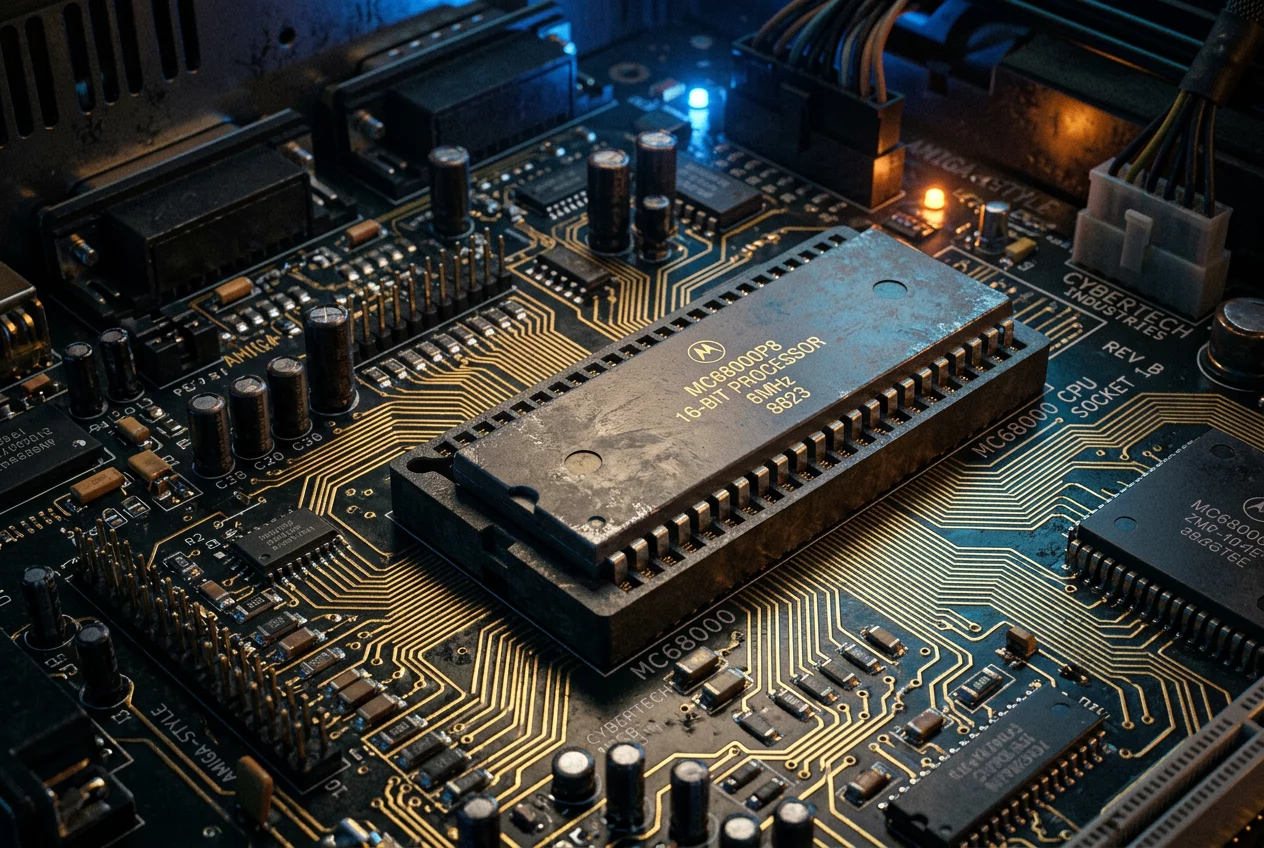
Known as the crown of the 16-bit era for performance, the Sega Genesis introduced the high-speed Motorola 68000. This CPU allowed for rapid DMA transfers and parallax scrolling, creating the illusion of deep 3D space on standard cathode-ray tubes.
The leap from 8-bit to 16-bit wasn't merely about bit-width; it was about memory bandwidth and specialized sub-processors. Early online documentation archives confirm that the Sega architecture was specifically designed to bridge the gap between high-end arcade hardware and home systems, utilizing the same processor family as the legendary Macintosh and Amiga systems.
Do you have what it takes to wear the crown of a true 8-bit master? Prove your status as an online expert of 90s console legends and robotics.