
Plumber Hero Retro
Transmission Subtitle: Decoding the Architectural Genius of 8-Bit Level Design

Protocol Analysis
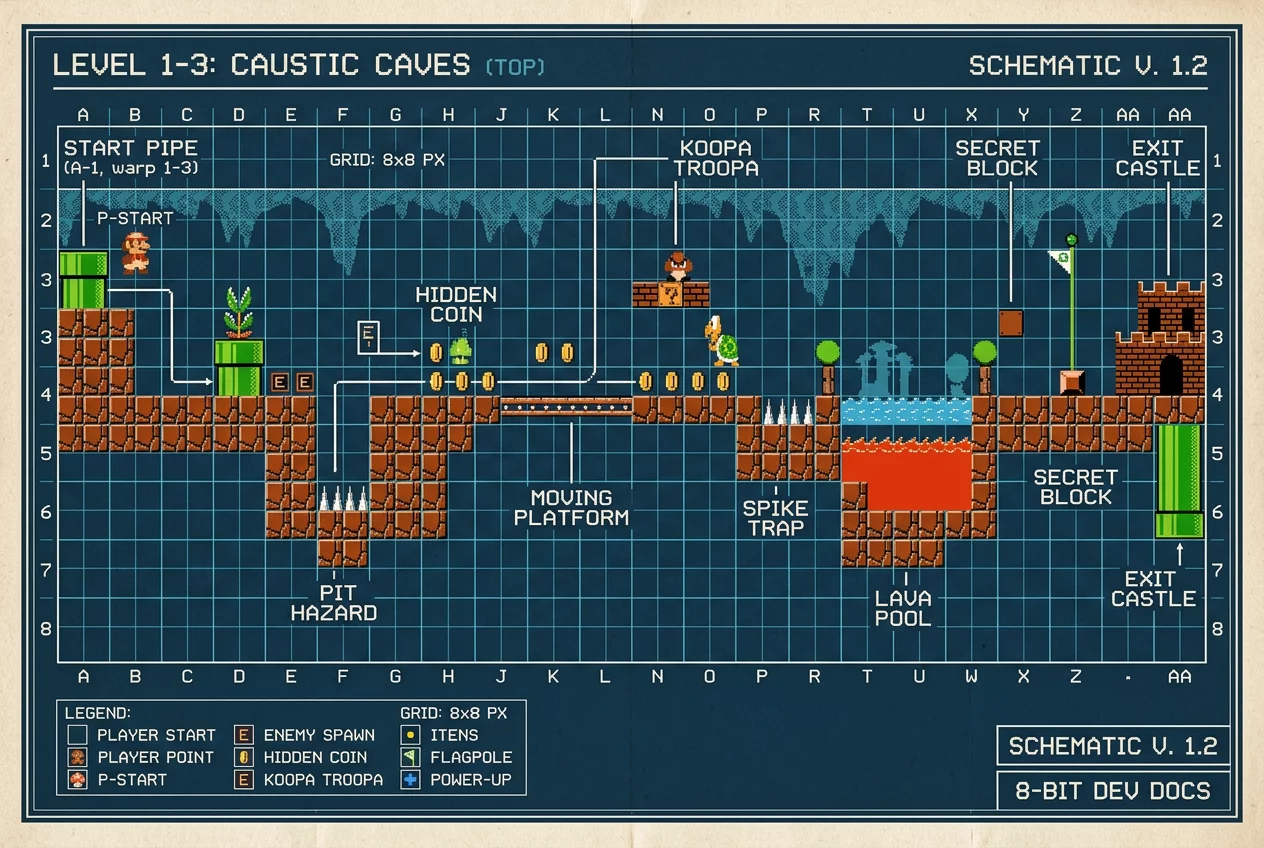
Plumber Hero Retro remains the ultimate crown of 8-bit platforming, representing a pivotal moment where hardware limitations met creative brilliance. Developed by MushroomStudios, the game utilized ingenious memory-mapping techniques to fit sprawling worlds into tiny cartridges. The block-based architecture wasn't just a visual choice; it was a technical necessity that allowed for dynamic level updates without overtaxing the Dendy processor. This level of optimization ensured that players could enjoy a smooth experience even during complex maneuvers.
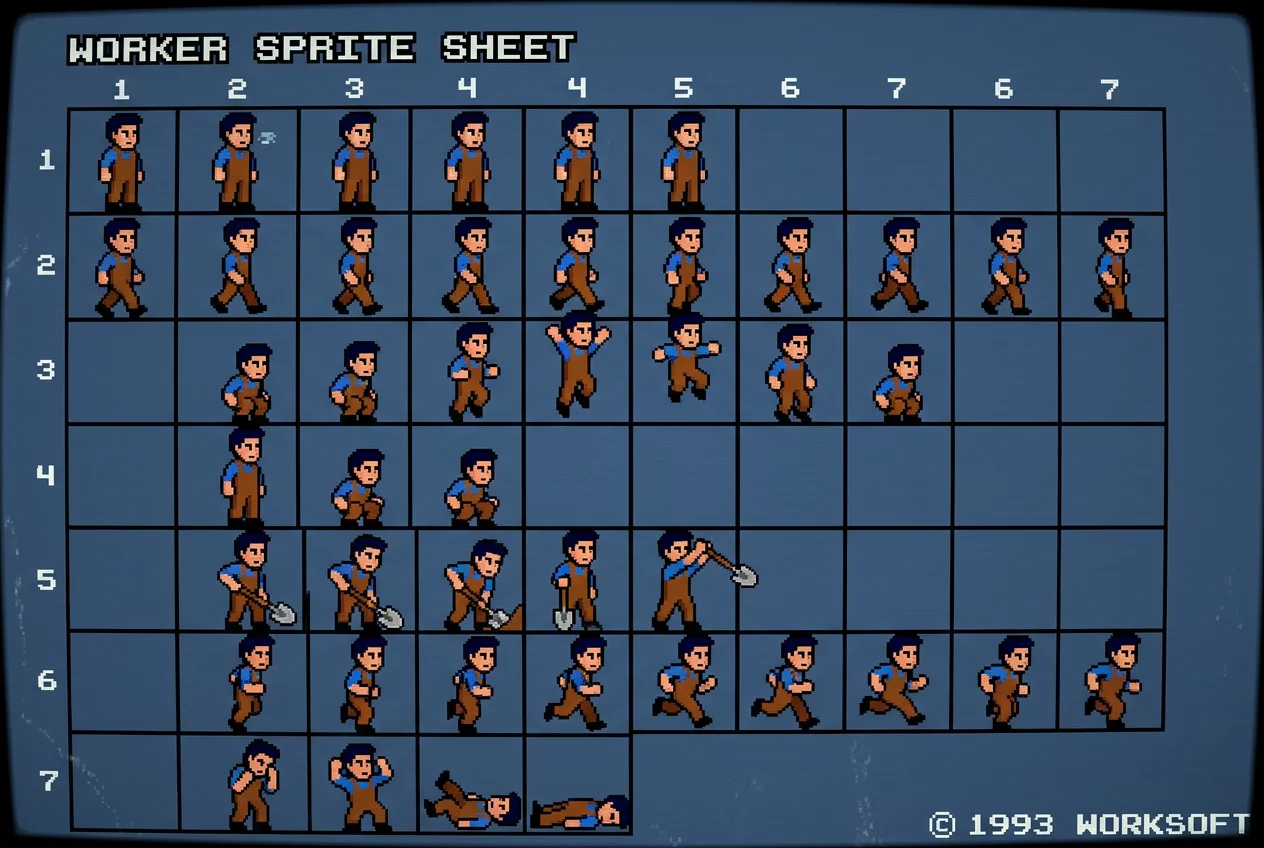
The sprite work in this title set the standard for character expressiveness in the 90s. Despite the limited color palette and pixel count, the protagonist's animations—from the subtle leg movement while running to the iconic jumping pose—conveyed a sense of weight and momentum previously unseen in home console titles. Analysts have often compared the precision of these controls to modern online competitive platformers, noting how the physics engine manages collision detection with surgical accuracy. Every brick, pipe, and enemy was meticulously placed to guide the player through a rhythm-based exploration of the digital landscape.
Beyond its technical achievements, the environmental storytelling within the various kingdoms showcased a mastery of background tile reuse. By palette-swapping specific assets, the developers created distinct atmospheres—underground caves, underwater grottoes, and fiery fortresses—while saving precious memory. This efficiency allowed for the inclusion of secret warp zones and hidden paths, rewarding the inquisitive nature of the early gaming community. Decades later, the source code remains a masterclass in assembly language efficiency, continuing to inspire designers who value gameplay clarity above all else.
No feedback logs found. This could be your first entry.